
Outdoor Sticker Durability That Holds Up
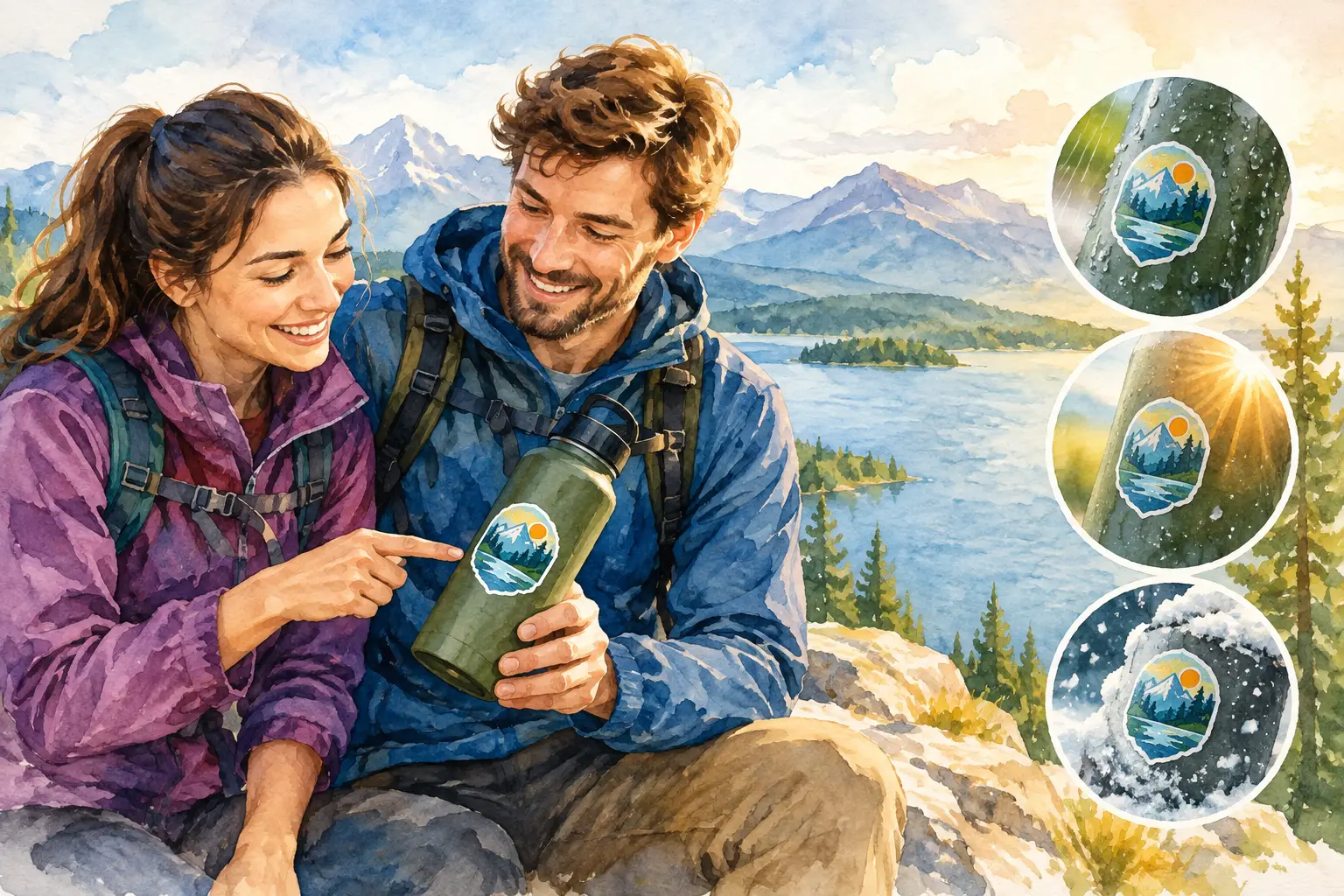
A faded logo on a storefront window, a peeling decal on a work truck, or an event sticker that turns soft after one rainy afternoon can make a polished brand look neglected. Outdoor sticker durability is not a single product feature. It is the result of choosing the right material, print process, finish, and application method for the conditions your sticker will actually face.
For businesses, stickers often do more work than expected. They identify equipment, promote a campaign, carry a QR code, label packaged goods, or turn vehicles and windows into brand touchpoints. When they are made for the environment rather than simply made to look good on day one, they can keep representing your business with clarity and confidence.
What Determines Outdoor Sticker Durability?
The biggest mistake in ordering outdoor stickers is treating all outside conditions as the same. A decal used on a covered patio has very different demands from a sticker installed on a delivery van, a construction site hard hat, or a beachside retail window.
Four forces usually determine how long a sticker looks professional:
- Sun exposure can fade inks and weaken adhesive over time, especially in high-UV regions.
- Rain, snow, humidity, and repeated washing can test the edges, adhesive, and protective finish.
- Heat and cold cause surfaces and adhesives to expand, contract, and lose grip differently.
- Friction from handling, equipment use, car washes, cleaning, or shipping can scratch the printed surface.
A short-term promotion may only need to stay presentable for a weekend. A fleet decal or exterior product label may need a much longer service life. Setting that expectation before production helps avoid paying for more protection than a project needs, or worse, ordering a material that fails too soon.
Start With the Right Sticker Material
Material is the foundation of outdoor sticker performance. Paper stickers can be a smart, economical choice for indoor packaging, temporary handouts, and dry applications. Outside, however, paper absorbs moisture and breaks down quickly unless it is protected for a very limited use case.
For most exterior applications, vinyl is the preferred choice. It is flexible, moisture-resistant, and better suited to uneven use, changing temperatures, and regular handling. Vinyl is commonly used for vehicle decals, outdoor equipment labels, window graphics, and branded stickers that need to resist the elements.
Vinyl Is Not One-Size-Fits-All
The surface matters as much as the material. Smooth, flat surfaces such as glass, metal panels, and clean plastic give an adhesive the best chance to bond evenly. Textured walls, powder-coated equipment, curved bottles, and low-energy plastics can be more demanding.
For simple, short-term graphics on a smooth surface, a standard adhesive vinyl may be appropriate. For longer campaigns, exterior signage, or decals that need to conform around curves and rivets, a higher-performance film and adhesive may be the better investment. Removable adhesive also has a place, particularly for window promotions or temporary retail messaging, but it is not designed to deliver the same long-term hold as a permanent option.
The best choice depends on where the sticker will go, how long it needs to remain there, and whether clean removal matters later. A knowledgeable print partner can help turn those practical details into the right material recommendation.
Ink and Lamination Protect the Design
A durable base material will not fully solve a durability problem if the artwork itself is left exposed. Outdoor printing needs color that can stand up to sunlight and a surface that can resist moisture, scuffs, and daily contact.
UV-resistant inks help preserve color when stickers are exposed to direct sun. This is especially valuable for brand colors that need to remain consistent across vehicles, storefronts, outdoor displays, and event materials. Dark colors, vivid reds, and saturated blues can be particularly sensitive to prolonged exposure, so the expected placement should guide the production approach.
Lamination adds a clear protective layer over the printed image. It can help guard against scratches, fading, water, and routine wear while giving the sticker a more finished feel. Gloss laminate makes colors look richer and more energetic, which works well for promotional graphics and product-forward designs. Matte laminate creates a more refined, low-glare appearance and can be easier to read in bright outdoor light.
Neither finish is universally better. A glossy logo decal may pop on a cooler door, while a matte equipment label may be more practical where glare and fingerprints are concerns. The goal is to match the finish to the visual experience and the working environment.
Design for Distance, Weather, and Real Use
Outdoor sticker durability also has a visual side. Even a sticker that remains physically intact will not perform if its message becomes difficult to read from a few feet away or after months in the sun.
Keep essential information direct. A business name, logo, phone number, website, product identifier, or QR code should have enough contrast and breathing room to remain useful in real conditions. Fine lines, tiny type, pale colors, and low-contrast artwork may look elegant on a screen but can lose impact when viewed through a window, under glare, or from across a parking lot.
If a QR code is part of the design, give it sufficient size and a clean, high-contrast background. Test it from the expected scanning distance before sending artwork to print. For vehicle or outdoor display applications, it is also wise to consider motion and viewing time. A passerby may have only a few seconds to understand your message.
Bleed and safe margins matter, too. Extending background color or imagery beyond the trim edge helps prevent thin white borders after cutting. Keeping important text and logos inside a safe area protects them from being crowded, clipped, or placed too close to the edge where wear often begins.
Application Is Where Good Stickers Can Fail
Even premium outdoor materials need a clean, prepared surface. Dust, wax, oil, moisture, and residue can interfere with adhesion, leading to lifting corners and early failure. This is a common issue on vehicles that have recently been detailed, on outdoor equipment exposed to grease, and on windows cleaned with products that leave a film behind.
Before applying a sticker, clean the surface with an appropriate residue-free cleaner and let it dry completely. Apply in moderate conditions whenever possible. Extremely cold surfaces can make adhesive less responsive, while very hot surfaces may complicate placement. Avoid applying graphics to wet surfaces or immediately before heavy rain.
Once installed, allow the adhesive time to bond. The exact curing period varies by material and conditions, but rushing into a car wash, pressure wash, or abrasive cleaning routine can compromise a fresh application. For decals on high-contact items, remind staff and customers not to pick at edges or scrub them with harsh tools.
Match the Sticker to the Job
A thoughtful sticker specification begins with a few practical questions: Will it be in direct sun? Is it meant for a vehicle, window, product, or equipment? Does it need to survive rain, washing, handling, or temperature swings? Is the campaign temporary, seasonal, or ongoing?
A real estate team might choose removable window decals for a short listing campaign. A landscaping company may need laminated vinyl decals for trailers and tools that work through rain, dust, and heat. A retail brand may use weather-resistant stickers for outdoor takeaway packaging, while an event organizer could prioritize a bold finish and fast production for a two-day activation.
These are different jobs, and they should not receive the same recommendation by default. When your sticker is part of a larger brand system, it should also coordinate with your banners, signs, labels, business cards, and display materials. Consistent color and design choices help every customer interaction feel intentional.
Protect the Investment in Your Brand
The least expensive sticker can become the costly choice if it needs replacement after a short period, leaves residue behind, or presents your business with faded color and curled edges. The right outdoor specification balances budget with the level of exposure, expected lifespan, and visual standards of the project.
Platinum Print approaches custom printing as more than an online transaction. If you have an unusual surface, a high-concept campaign, a tight deadline, or a design that needs refinement before production, personalized guidance can help ensure the finished piece is built for the job.
Give your outdoor stickers the same attention you give the brand they carry. A clear design, appropriate material, protective finish, and careful application can keep your message looking established long after the first impression.